






Automatic fire detection and alarm systems, an introductory guide to components and systems BR 510
BRE is the UK’s leading centre of expertise on the built environment, construction, energy use in buildings, fire prevention and control, and risk management.
Automatic fire detection and alarm systems: an introductory guide to components and systems (BR 510) was published by BRE on 12 October 2010. It was written by Robert Dudley and offers an introduction to automatic fire detection and alarm systems and how they are developed.
Automatic fire detection and alarm systems are a fairly recent addition to the range of equipment available to combat the threat of fire in buildings, creating an effective and reliable means of detecting fires and signalling an alarm to the occupants. By providing an early warning to the building management team, action can be taken to deal with the fire before it takes hold. Automatic fire detection and alarm systems have a good record of performance and have demonstrated they can be effective in reducing the risk to life and property damage from fire.
The guide discusses how to manage them in use, and ensure that regulatory requirements are met. It introduces the components that are used and the types of system that are available to designers.
The guide deals with fixed automatic fire detection and alarm systems installed in commercial and industrial buildings. It is aimed at building owners, building managers, specifiers, automatic fire detection and alarm equipment installers, maintenance companies, insurance surveyors, building control practitioners, fire safety officers, risk assessors, and fire and rescue service inspectors. It will also be of interest to anyone who needs to consider or deal with automatic fire detection and alarm systems.
Its contents include:
- Background and description.
- Types of system available.
- Detection and alarm devices.
- European standards applicable to the UK.
- False alarms and false alarm reduction.
- Ensuring compliance with standards, installation codes and legislation.
[edit] Related articles on Designing Buildings Wiki
- Access control.
- BS 8414-2: Fire performance of external cladding systems.
- CCTV.
- Commercial security systems.
- External fire spread, Supplementary guidance to BR 187 incorporating probabilistic and time-based approaches.
- Fire.
- Fire and rescue service.
- Fire dampers.
- Fire detection and alarm system.
- Fire detector.
- Fire door inspection scheme.
- Fire performance of external thermal insulation for walls of multistorey buildings, third edition (BR 135).
- Fire protection engineering.
- Fire safety design.
- Fire spread.
- Insurance.
- Intruder alarm.
- Joint fire code.
- Perimeter security.
- Smoke alarm.
- The Regulatory Reform (Fire Safety) Order 2005.
- Understanding the factors affecting flashover of a fire in modern buildings.
- Wet riser.
Featured articles
Check out some of the best features and news from Designing Buildings as well as key stories from around the web.
A quick introduction to its uses and risks.
Construction Management, 17 June

Government rolls out digital planning tool to all local authorities.

Your views needed - a strategy for the professions, trades and occupations.

Confronting competency, codes, capacity and costs.

The hidden risk in modern construction supply chains.
Construction Management, 10 June

24 months to 14: CITB launches accelerated apprenticeships.
Bridging the gap between clients and contractors

Concerns remain around contractor quality, capability, and delivery.
Construction Management, 10 June.
Heat pumps beat boilers in new home tests.
Building Safety Act implementation in Wales

CIAT to host industry panel on 26 June.

New and updated CLC building safety guidance.
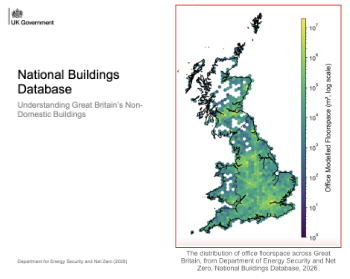
New UK National Buildings Database.
Comments